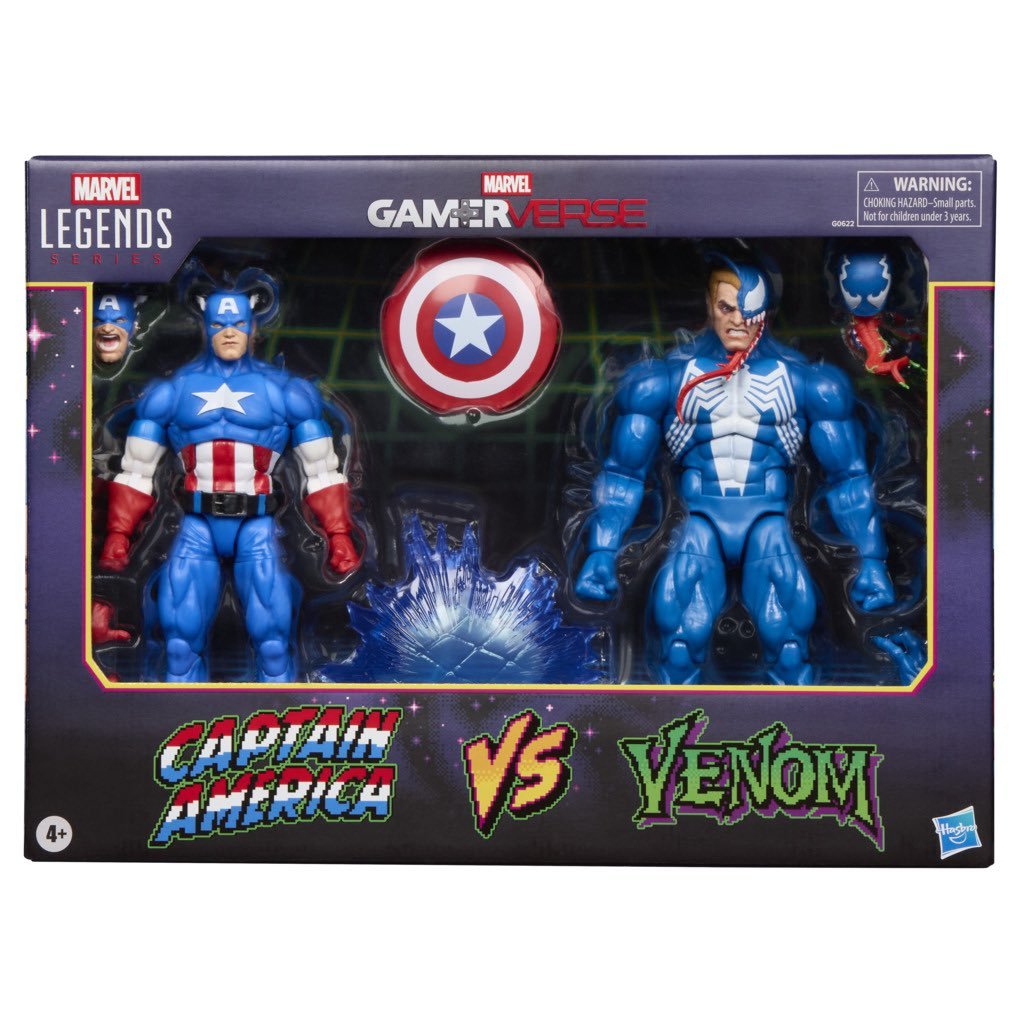
When you think of Captain America, what comes to mind? Is it the classic star-spangled hero, shield aloft, charging into battle? Or perhaps a grittier, battle-worn soldier, a stealth suit operative, or even a futuristic leader? While Marvel Legends offers an incredible array of Captain America figures, the true magic often happens when you take matters into your own hands. Customizing Marvel Legends Captain America Figures isn't just a hobby; it's a way to bring your unique vision of the Sentinel of Liberty to life, whether you're recreating a niche comic panel, imagining an alternate reality, or simply perfecting a factory figure.
It’s about more than just a toy; it’s about artistic expression, a deep dive into character design, and the satisfaction of holding a one-of-a-kind collectible that no one else has. If you’ve ever looked at a Cap figure and thought, "What if...?" then you're already halfway there.
At a Glance: Your Custom Cap Journey Awaits
- Start Simple: Begin with paint touch-ups or easy part swaps before tackling complex projects.
- Invest in Good Tools: Quality brushes, paints, and knives make a world of difference in your results.
- Research is Key: Study your desired look, gather reference images, and plan your steps.
- Practice Makes Perfect: Don't be afraid to make mistakes; they're part of the learning curve.
- Patience, Young Avenger: Customizing takes time. Rushing leads to errors.
- Community Support: Connect with other customizers for tips, inspiration, and troubleshooting.
Why Take Up the Shield and a Brush? The Allure of Custom Cap Figures
Marvel Legends figures are fantastic right out of the box. But let's be honest, collectors and fans are a discerning bunch. Sometimes, a factory paint job misses a subtle detail, a head sculpt doesn't quite capture the character's essence, or a specific version of Cap you adore simply doesn't exist on the market. That's where customization steps in.
You might be looking to:
- Fill a Collection Gap: Maybe you want a hyper-specific comic panel variant of Cap, like his brief stint as "The Captain," complete with a black costume and vibranium shield, that Hasbro hasn't produced.
- Enhance Detail: Factory paint applications can sometimes be flat. Adding washes, dry brushing, or weathering can bring out sculpted details and add depth, making a figure truly pop.
- Personalize Your Display: Your custom Cap can be the centerpiece of a diorama, telling a specific story or recreating an iconic moment that's uniquely yours.
- Experiment and Learn: Customizing is a fantastic way to develop new artistic skills, from painting and sculpting to problem-solving and careful execution.
- Repair and Refresh: Sometimes an old figure needs new life—a chipped shield, a faded star, or a loose joint can be remedied and even improved upon through customization.
Ultimately, customizing is a creative outlet, a way to deepen your connection with the character, and a rewarding journey into the art of action figure modification.
Equipping Your Lab: The Essential Toolkit for Customizers
Before you even think about cracking open a new figure, you'll need the right tools. Think of this as your S.H.I.E.L.D. tech package for miniature heroes. Starting with quality supplies will save you frustration and yield better results.
The Bare Necessities:
- Hobby Knives & Blades: An X-Acto knife or similar precision knife is indispensable for cleaning up seams, trimming plastic, and careful dismantling. Always have fresh, sharp blades.
- Small Files & Sandpaper: For smoothing rough edges, preparing surfaces for paint, or even subtly reshaping parts. Various grits (from coarse to very fine) are useful.
- Pliers & Nippers: For removing pins, cutting plastic, or manipulating small parts. Flush cutters are great for clean cuts.
- Pin Vise & Drill Bits: Essential for drilling pilot holes, adding new articulation points, or modifying existing ones.
- Adhesives:
- Super Glue (Cyanoacrylate): For quick, strong bonds on small parts. Gel versions offer more control.
- Plastic Cement: Melds plastic together, creating a very strong, permanent bond (use sparingly and carefully).
- Epoxy Glue: For stronger, gap-filling bonds where super glue might not hold or flexibility is needed.
- Work Surface Protection: A self-healing cutting mat is crucial to protect your workbench and your blades.
Painting Essentials:
- Acrylic Paints: The most common choice for action figures. Look for model-specific acrylics (e.g., Vallejo, Citadel, Tamiya, FolkArt/Apple Barrel for budget-friendly options). They dry quickly, clean up with water, and are non-toxic. Avoid craft paints that are too thick or tacky.
- Brushes: A variety of sizes and shapes is key:
- Fine-tipped brushes: For intricate details like eyes, straps, or emblems.
- Flat brushes: For base coats and broader strokes.
- Dry brushes: For weathering and highlights.
- Old, worn brushes: For washes or mixing.
- Pro Tip: Invest in good quality synthetic brushes. Clean them immediately after use to prolong their life.
- Primer: Adhesion is crucial. A good quality acrylic primer (spray or brush-on) creates a uniform surface for your paint to stick to, preventing chipping and improving color vibrancy.
- Sealer/Top Coat: A matte or satin clear coat protects your paint job from wear, scratches, and paint rub. Avoid glossy unless you're specifically going for that look. Testors Dullcote is a classic choice, or specific acrylic sealers like Vallejo's.
- Palette: A simple plastic palette, old ceramic tile, or even a piece of cardboard works for mixing paints.
- Water Cup & Paper Towels: For cleaning brushes and thinning paints.
Optional (but highly recommended) Gear:
- Sculpting Compounds: Apoxie Sculpt, Green Stuff (Kneadatite), or Milliput for adding new details, filling gaps, or reshaping parts.
- Heat Gun/Hair Dryer: For warming plastic to make it more pliable for disassembly or reshaping. Use with extreme caution.
- Airbrush & Compressor: For incredibly smooth, even paint coats, especially on larger areas. A significant investment, but delivers professional results.
- Masking Tape: Tamiya brand masking tape is excellent for clean lines and protecting areas you don't want to paint.
- Magnifying Lamp: Essential for intricate detail work and preventing eye strain.
Choosing Your Canvas: Which Cap Figure to Start With?
Not all Captain America figures are created equal when it comes to customization. Some make excellent base bodies, while others are best left alone or only require minor tweaks. Think about your desired final look and which existing figure offers the best starting point. Legendsverse.com's extensive checklist of Marvel Legends Captain America figures can be a great reference for what's out there.
Here's a breakdown of common Cap figures and their customization potential:
- Classic Steve Rogers (e.g., 80th Anniversary Cap, Retro Cap): These figures often feature the iconic scale mail, a solid build, and good articulation. They're excellent bases for variations on classic Cap, such as different shades of blue or red, battle damage, or even a different shield design. The heads are often versatile.
- Modern Steve Rogers (e.g., Endgame Cap, 20th Anniversary Cap): These tend to have more intricate sculpts, sometimes with molded details that represent fabric or armor. They can be great for modern interpretations, tactical gear, or even an unmasked, grizzled Steve. Be mindful of sculpted textures when planning paint jobs.
- Ultimate Captain America: This version often has a bulkier, more militaristic look. Great for creating a hardened, realistic soldier Cap or even an alternate universe variant.
- Captain America (Sam Wilson): If you're aiming for a winged Cap or a more agile, modern interpretation, Sam's figures offer distinct base bodies, often lighter and more dynamic. You might want to swap wings or add unique detailing.
- Captain America (Bucky Barnes): Bucky's Cap uniform is often more tactical and darker. These figures are excellent for a stealth-ops Cap or even a specific comic run where Bucky took up the shield.
- Captain America (John F. Walker): The U.S. Agent/John Walker figures offer a unique, often more armored and aggressive base. Perfect if you want to create a more imposing or government-sanctioned Cap, or even a variant of his U.S. Agent look.
- Zombie Captain America/Venomized Captain America: These figures offer unique, ghoulish, or monstrous sculpts that can be challenging but incredibly rewarding to customize. You could lean into the horror aspect or even 'cure' them back into a human Cap with extensive re-sculpting.
- Hydra Stomper: This is a whole different beast—a large, armored suit. Customizing this would involve heavy weathering, battle damage, or even re-painting it to match a specific Iron Man armor variant if you wanted to repurpose it.
Considerations when choosing a base: - Articulation: Does the base figure have the range of motion you need for your desired pose?
- Sculpted Details: Does the underlying sculpt match your vision? Is it easy to smooth out or add to?
- Paint Rub Areas: Identify joints where paint might easily rub off. Plan your painting strategy accordingly (e.g., sanding joints, clear coating).
- Scale: Ensure the base figure is the correct size and proportion for your project.
Don't be afraid to think outside the box! Sometimes, the best base for your custom Cap isn't even a Cap figure at all. A generic military figure or even another superhero might have a torso or legs that better suit your vision.
The Art of the Swap: Parts, Heads, and Accessories
One of the quickest and most effective ways to customize a Marvel Legends figure is through part swapping. Hasbro often reuses molds, which means many parts are surprisingly interchangeable. This is especially true for heads, hands, and sometimes even limbs.
Head Swaps: Giving Cap a New Face
A new head sculpt can instantly change the entire personality of a figure. Hasbro has released numerous Captain America heads over the years:
- Unmasked Steve Rogers: Varying degrees of stoicism, determination, or grizzled weariness.
- Masked Cap: Different cowl designs, wing sculpts, and expressions (e.g., yelling, stern, neutral).
- Alternate Caps: Sam Wilson's masked and unmasked heads, Bucky Barnes's unique cowl, John Walker's specific helmet.
Many third-party customizers also create fantastic resin head sculpts that offer even more variety and detail. To swap a head, gently heat the neck peg with a hairdryer until the plastic is pliable, then carefully pull off the old head and push on the new one. If it's too loose, a tiny bit of Blu Tack or a thin layer of super glue on the peg can help. If too tight, carefully dremel the inside of the new head.
Shield Variations: More Than Just a Disc
Cap's shield is his most iconic accessory, and there have been countless versions:
- Classic Vibranium Shield: The most common, but you might want to customize its battle damage, paint scheme, or even add magnetic properties.
- Triangular Shield: From his early days, a great option for retro customs.
- Kite Shield: Used by Sam Wilson and others, often with unique designs.
- Vibranium Arm Shields/Gauntlets: From more modern looks.
- Energy Shields: Translucent blue or red shields from various storylines.
Customizing a shield can involve repainting it to a unique design (like the "U.S. Agent" star-and-stripes), adding scratches and dings for battle damage, or even integrating LED lights for a glowing effect.
Hands & Accessories: Expressive Gestures
- Hands: Swapping hands can convey emotion and action. Consider hands that are open (gesturing), fisted (punching), trigger finger (holding a weapon), or specific hands for holding his shield (grip hands). Many figures share similar hand pegs.
- Weapons: While Cap primarily uses his shield, some versions come with pistols, knives, or even energy effects. You can repaint these or source new ones from other figures or third-party vendors.
- Straps & Pouches: For a tactical Cap, adding sculpted or fabric straps, pouches, or holsters can drastically change his appearance.
Cape & Fabric Elements: Flow and Realism
Some Captain America designs (like Commander Rogers) feature a cape or trench coat. If your chosen Cap has one, you might consider:
- Fabric Capes: Replacing a sculpted plastic cape with a wired fabric one offers dynamic posing and a premium feel. Look for thin, sturdy fabric that drapes well.
- Weathering: Adding dirt, grime, or subtle tears to fabric elements can enhance realism.
Bringing Color to Life: Painting Techniques for Legends
Painting is often the most impactful customization technique. It's where your vision truly takes shape.
1. Disassembly and Preparation: The Canvas Awaits
- Disassemble: Carefully pop apart the figure at its joints (often by heating with a hairdryer). This prevents paint rub and allows for cleaner application.
- Clean: Wash all parts thoroughly with mild soap and water to remove any factory grease or mold release agents. Let them air dry completely.
- Sand/Smooth: Use fine-grit sandpaper or a hobby file to smooth any rough edges, seam lines, or unwanted molded details. This creates a flawless surface.
- Masking: Use Tamiya masking tape to cover any areas you don't want to paint, or joints you want to protect from paint rub.
2. Priming: The Foundation of a Great Paint Job
- Why Prime? Primer provides an even, slightly textured surface for your paint to adhere to. It helps paint stick better, prevents chipping, and ensures uniform color, especially when painting light colors over dark plastic.
- Application: Use a high-quality acrylic primer (spray or brush-on). Apply in thin, even coats. For spray primers, multiple light passes are better than one heavy coat, which can obscure detail. Let each coat dry completely.
- Color Choice: White primer brightens colors, black primer deepens them, and grey primer is a versatile middle ground.
3. Base Coating: Laying Down the Colors
- Thin Your Paints: This is paramount! Model acrylics are often too thick straight from the pot. Thin them with water or acrylic medium to a milk-like consistency. Thin coats mean no brush strokes and preserved detail.
- Multiple Thin Coats: Apply 2-3 (or more) thin coats rather than one thick one. Let each coat dry fully before applying the next. This builds up smooth, vibrant color.
- Brush Control: Use the right size brush for the area. Steady hands and good lighting are your allies.
4. Detailing: The Finer Points
- Eyes: Perhaps the most challenging and rewarding detail. Use a tiny brush, thin black for the outline, white for the sclera, and a dot of black for the pupil. A tiny dot of white in the pupil adds a "spark" of life.
- Straps, Buckles, Stars: Take your time with these small elements. Use very fine brushes and a magnifying lamp if needed. Practice on scrap plastic first.
5. Shading and Highlights: Adding Depth and Realism
- Washes: A very thin, darker paint (or specialized 'wash' product) that flows into recesses, defining sculpted details and adding shadows. Apply over a dry base coat, then gently wipe away excess from raised areas.
- Dry Brushing: Pick up a tiny amount of lighter paint on a dry brush, wipe most of it off, then lightly drag the brush over raised edges. This catches highlights and simulates wear.
- Layering/Glazing: Building up subtle color transitions with multiple thin, translucent coats. This takes practice but yields stunning, smooth gradients.
6. Weathering and Battle Damage: The Gritty Reality
- Scratches/Chips: Use a fine brush and a dark color (e.g., dark grey, black, brown) to paint small, irregular lines or dots on edges and high-wear areas. For more realism, add a tiny dot of a lighter color within the dark chip to simulate exposed metal.
- Grime/Dust: Dry brush light browns, greys, or pigments onto lower parts of the legs, boots, or around joints to simulate dirt and dust.
- Bullet Holes/Cuts: For more advanced users, a Dremel tool or hobby knife can create shallow impressions for bullet impacts or gashes. Paint the inside of these with black or dark brown for depth.
7. Sealing: Protecting Your Masterpiece
- Clear Coat: Once all your paint is dry (wait at least 24 hours), apply a protective clear coat. Matte or satin finishes are most common for action figures.
- Application: Like primer, apply in thin, even coats. For spray sealers, do multiple light passes.
- Curing: Allow the sealer to fully cure for several days before handling extensively or posing. This prevents stickiness and ensures maximum protection.
Sculpting Small Details: Adding That Extra Touch
Sometimes paint and part swaps aren't enough. You need to add or modify sculpted elements. This is where sculpting compounds come in.
Popular Sculpting Materials:
- Apoxie Sculpt: A two-part epoxy clay that air dries. It's very strong, can be sanded, drilled, and painted. It has a longer working time than some other compounds, making it great for beginners.
- Green Stuff (Kneadatite): Another two-part epoxy putty. It's more flexible when cured than Apoxie Sculpt, which can be useful for details like capes or pouches that need a slight give. It's also stickier, good for fine details.
- Milliput: Similar to Apoxie Sculpt, an epoxy putty that dries hard. It can be worked with water for smoothing and has different grades of fineness.
Basic Sculpting Techniques:
- Mixing: Always mix the two parts thoroughly until a uniform color is achieved.
- Adhesion: Slightly roughen the surface of the figure where you want to add sculpt for better adhesion.
- Application: Apply small amounts of the mixed putty. Use sculpting tools (dental tools, silicone shapers, even toothpicks) and water to shape and smooth the material.
- Building Up: It's often easier to build up details in layers rather than trying to sculpt a complex piece all at once. Let each layer cure partially or fully before adding the next.
- Adding Texture: Use tools to create fabric folds, metallic textures, or battle damage.
- Curing: Allow the sculpt to fully cure according to the product's instructions before sanding, painting, or handling.
Examples for Cap: You could sculpt texture onto a smooth shield to create a battle-worn look, add a custom belt buckle, enhance armor details, create a unique holster, or even add subtle texture to his uniform like fabric folds or a chainmail effect.
Advanced Customization: From Simple to Sophisticated
Once you've mastered the basics, a whole world of advanced techniques opens up.
- Joint Modification: For figures with limited articulation, you might consider swapping out joints from other figures (e.g., butterfly joints from new molds), or even modifying existing ones with a Dremel to allow greater range of motion. This is a delicate process and requires precision.
- Wiring Fabric Elements: As mentioned, adding wired fabric capes, scarves, or even tattered flags to Cap's shield can make for incredibly dynamic displays. The wire allows you to pose the fabric as if caught in a gust of wind or mid-action.
- LED Integration: For the truly ambitious, adding tiny LED lights can bring a custom to life. Imagine glowing eyes for an "unworthy" Cap wielding Mjolnir, or a pulsating arc reactor (if you were making an Iron Cap). This involves small batteries, wires, and a lot of patience, often requiring drilling into the figure.
- Magnetization: Adding small rare-earth magnets to shields, hands, or weapon holsters can provide versatile posing options and prevent accessories from falling off.
Common Pitfalls and How to Avoid Them (Captain America Says "Look Before You Leap!")
Every customizer faces challenges. Knowing the common traps can help you steer clear of them.
- "Thick Paint Syndrome": The number one mistake. Thick paint clogs details, leaves unsightly brush strokes, and leads to easy chipping.
- Solution: Always thin your paints. Apply multiple, thin coats.
- Paint Rub: When paint on moving joints scrapes off with articulation.
- Solution: Disassemble figures before painting. Sand down pegs and joint sockets slightly to create clearance. Apply a durable clear coat, especially in these areas.
- Improper Sealing: Too little sealer, the wrong type, or applying it incorrectly can lead to sticky figures, paint chips, or a cloudy finish.
- Solution: Use appropriate clear coats (matte or satin for figures). Apply in thin, even coats. Allow ample cure time. Test new sealers on scrap plastic first.
- Rushing the Process: Impatience leads to wet paint smudges, sloppy details, and frustration.
- Solution: Customizing is a marathon, not a sprint. Take breaks. Let paint dry fully between coats. Plan your steps.
- Poor Surface Prep: Painting over greasy or rough plastic means paint won't adhere well and will look uneven.
- Solution: Always wash figures thoroughly. Sand down mold lines and rough spots. Use primer!
- Ignoring Research: Diving in without a clear vision or understanding of techniques can lead to wasted materials and disappointment.
- Solution: Collect reference images. Watch YouTube tutorials. Ask questions in customizing communities. Plan your paint scheme and modifications beforehand.
Showcasing Your Sentinel: Photography and Community
You've put in the work, honed your skills, and brought a unique Captain America to life. Don't let it gather dust in a dark corner!
- Photography: Good photos allow you to share your work and appreciate your own progress.
- Lighting: Use soft, even lighting (natural daylight or diffused lamps). Avoid harsh shadows.
- Background: A plain, neutral background (a white sheet, a simple diorama) helps your figure stand out.
- Posing: Pose your custom Cap dynamically, highlighting the details you worked so hard on.
- Angles: Take photos from multiple angles, including close-ups of details.
- Community: Share your customs online! Instagram, Facebook groups, Reddit communities (like r/articulatedplastic or r/MarvelLegends), and dedicated forums are full of supportive customizers eager to see your work and offer feedback. It's a fantastic way to get inspiration, tips, and connect with like-minded individuals.
Your Next Mission: Taking the First Step
Whether you're aiming to recreate the many versions of Captain America from the comics or movies, or invent one entirely new, the world of customizing Marvel Legends Captain America figures is incredibly rewarding. It’s a journey that combines artistic skill with a passion for your favorite heroes.
Don't feel overwhelmed by the detailed techniques or the vast array of possibilities. Start small. Pick a factory figure you want to improve with a simple paint wash to bring out its sculpt, or try a head swap. Each successful modification builds confidence and hones your skills. Before you know it, you'll be sculpting intricate details, planning complex paint schemes, and proudly displaying a truly unique Captain America figure that is all your own. The shield is yours to wield, and the canvas is ready for your vision. Go forth, true believer, and create!